 Hardware Ready Ready to Bench?
Microsoft Entra support. Version 3.32.0 of FreeRDP, released on September 23, 2026, has an important novelty for those who use Linux and connect to Windows systems: the SDL and xfreerdp clients now support Microsoft Entra. There are also improvements for RemoteApp and for the security of the RDP protocol, plus new features for Wayland, USB and webcams.
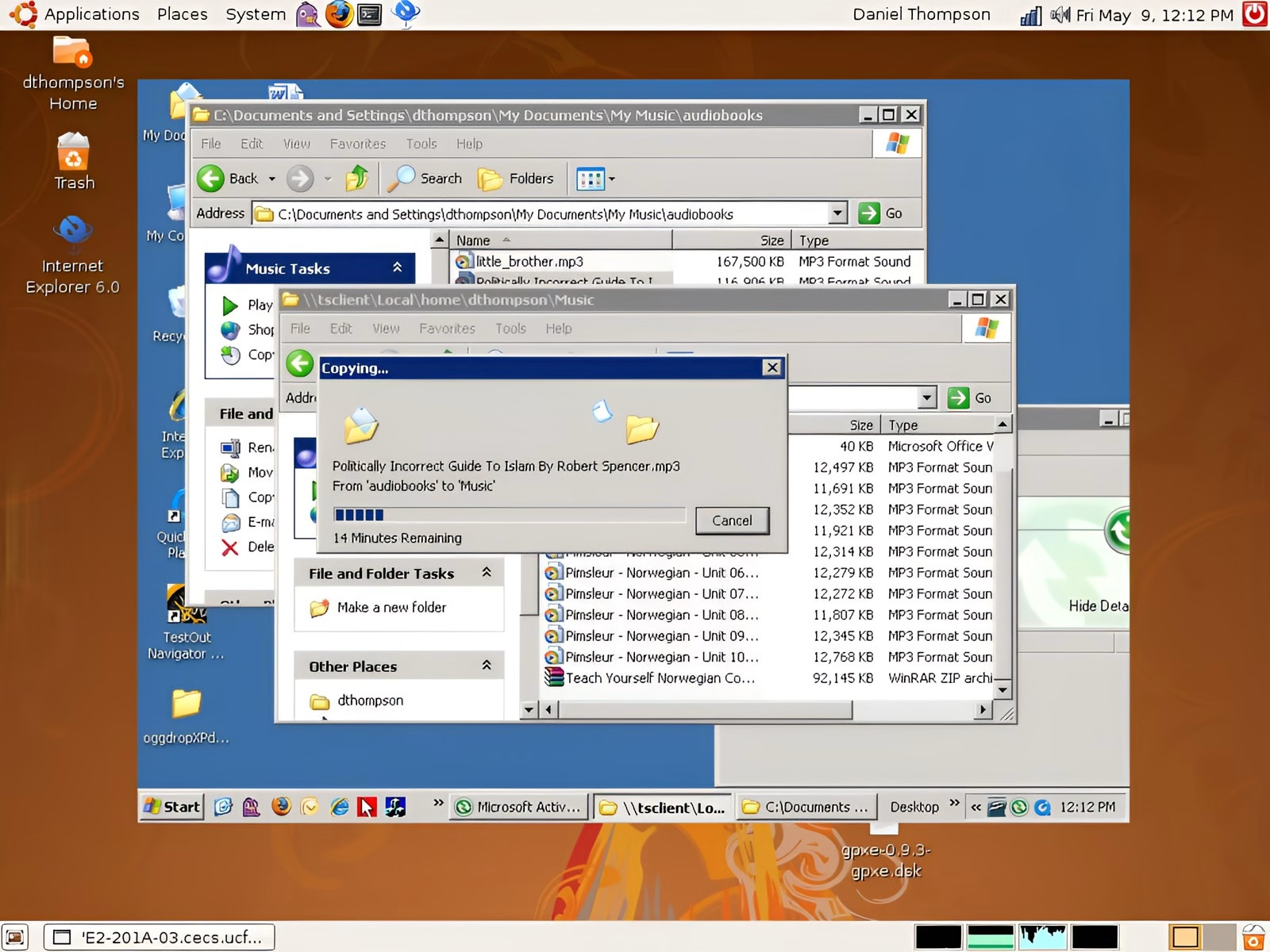
The open source project implements the Remote Desktop Protocol, which is used to open sessions to Windows computers from Unix-like systems. Besides Entra, this release adds an experimental path to speed up video with FFmpeg.
Microsoft Entra support: why it matters
Entra matters because corporate identity and remote access are increasingly linked. Microsoft allows the use of Entra to authenticate RDP connections to compatible Windows devices, as long as the remote computer is configured correctly.
The main novelty is precisely in authentication. In the SDL and xfreerdp clients, FreeRDP adds smooth access to Microsoft Entra and Azure, but for the best result some support programs called helper binaries are required. Updating the client is not enough to get all the features of Microsoft identity: the components of the Linux distribution and the way the remote service is set up also count.
The context is one in which Microsoft offers the Microsoft Identity Broker to Linux systems. This component makes it possible to use Entra credentials to get Single Sign-On across supported applications and resources. According to Microsoft’s documentation, the name used for the RDP connection must match the hostname registered in Entra and be reachable on the network. For this kind of access the IP address cannot be used.
RemoteApp also improves. The SDL client now has RAIL (Remote Application Integration Layer) support in beta, for X11 and for Wayland. This way single Windows applications can be brought onto the Linux desktop, without showing the whole remote session. For xfreerdp there are fixes for RemoteApp windows, including one that avoids unexpected resizing.
On the multimedia side, hardware acceleration has been reworked: a solution that used only VA-API is dropped in favor of a more generic one based on FFmpeg. The latter is experimental for now, because graphics drivers may behave differently.
What changes and what are the effects
The release also takes care of devices forwarded over RDP. The RDPEUSB redirection fixes the way indexes and numbers of USB interfaces are matched, to work better with peripherals that previously gave problems. For webcams, RDPECAM stops the video stream when the remote system no longer asks for frames: the camera does not stay on for no reason after the Windows application that used it is closed.
On the protocol side, FreeRDP completes the implementation of the Early User Authorization Result PDU. If authorization is denied, a specific authentication error is now generated, which before was mistaken for a generic network problem. The proxy also changes a lot: for certificates, the default policy is no longer “accept, unless explicitly rejected”, but “reject, unless explicitly accepted”. Existing configurations that counted on the previous behavior may need review.
The developers also report many fixes to protocol violations and possible vulnerabilities, found through code reviews and security reports. For those who administer systems, this version is not valuable only for its new features: compatibility, authentication, certificate rules and the components present on the client system should be checked.
* Content created with the assistance of artificial intelligence systems.