 Hardware Ready Ready to Bench?
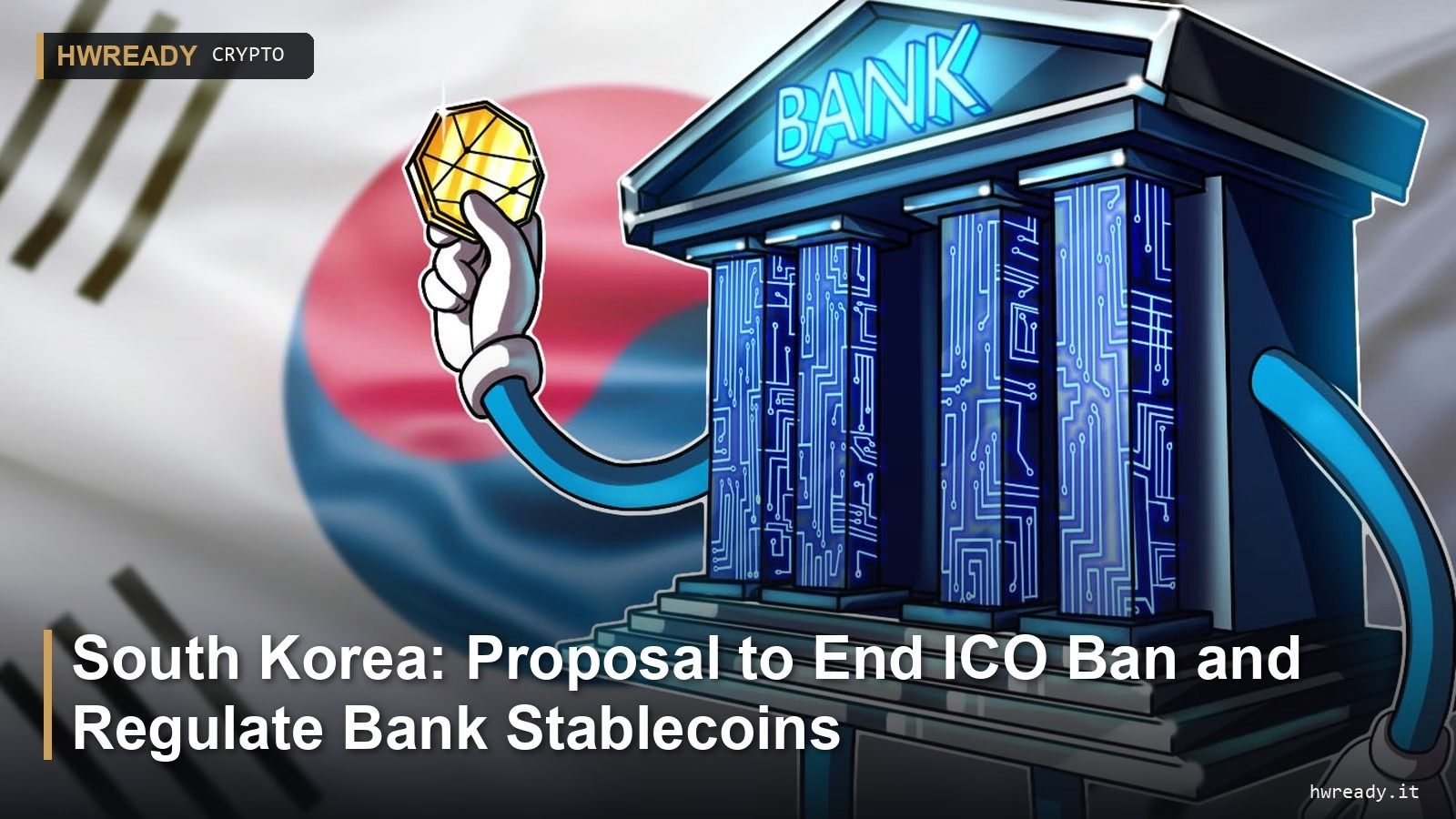
On November 24, 2026, in South Korea, a significant legislative proposal emerged aiming to modify cryptocurrency sector regulations. The draft Digital Asset Act provides for the repeal of the ban on Initial Coin Offerings (ICO), in effect since 2017, and establishes a regulatory framework for bank-controlled stablecoins.
Why it matters
The move marks a turning point after nearly a decade of restrictions. The previous 2017 ban had pushed most Korean issuers to operate offshore, limiting domestic investments and employment in the sector. Under the new proposal, local projects will be able to sell tokens following disclosure rules similar to those for IPOs, with transparency obligations regarding the use of funds raised. Criminal penalties are provided for fraud against buyers.
On the stablecoin front, the regulator has approved a model where banks play a central role. Although fintech and technology companies may lead projects, banks must hold the majority of the issuer’s capital, with a required stake exceeding 50%. This approach follows months of disputes among industry players and aims to shift competition beyond simple token issuance.
The numbers
- The ban on domestic ICOs has been in effect since 2017, for a period of nearly a decade.
- Banks must hold a stake exceeding 50% of the capital of stablecoin issuers.
- Exchange participation in stablecoins is limited to a maximum of 20%.
What remains to be seen
The proposal is still at the legislative draft stage. No precise timelines have been announced for final approval or the entry into force of the new rules. Furthermore, operational details remain to be defined on how issuers must disclose risks before soliciting buyers and how the provided criminal penalties will be monitored.
This article is for informational purposes only and does not constitute financial advice or an investment recommendation.
* Content created with the assistance of artificial intelligence systems.