 Hardware Ready Ready to Bench?
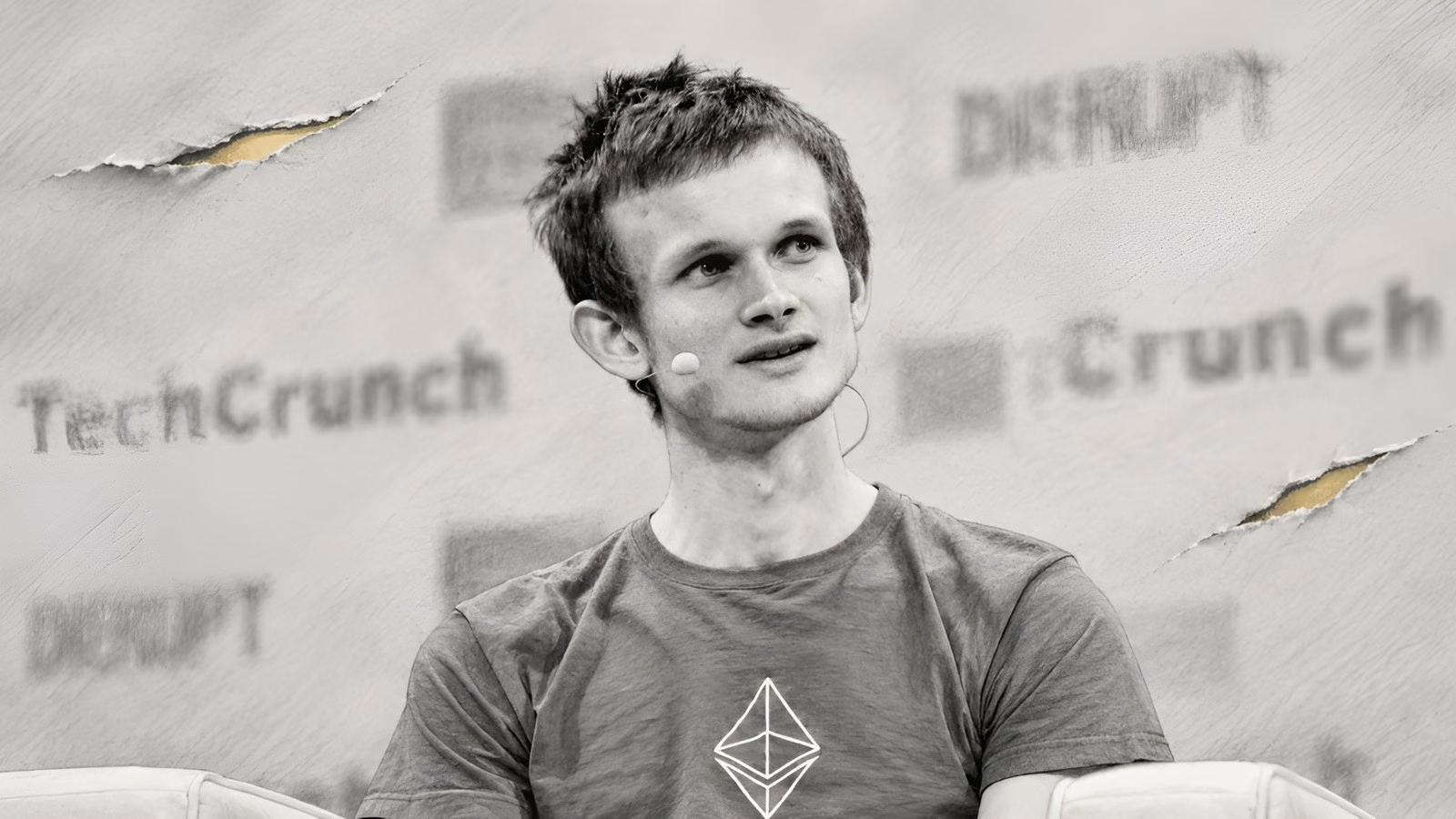
On November 16, 2026, Vitalik Buterin, co-founder of Ethereum, expressed strong optimism regarding leanPCS technology, defining it as a rapid path toward the network’s quantum security. In a post on X, Buterin stated that his opinion had shifted from initial skepticism to total enthusiasm in recent weeks, arguing that this solution could be implemented sooner than expected because it primarily requires choosing a specific mathematical field.
Why it matters
The proposal aims to protect Ethereum wallets from attacks by future quantum computers without significantly increasing transaction costs. The design, contained in draft EIP-8288 co-written with Thomas Coratger, moves signature and proof verification to the mempool, where nodes check them before block inclusion. This way, blocks would contain a single aggregated STARK proof instead of all individual signatures, preventing bulky data from saturating network capacity. Eli Ben-Sasson, CEO of StarkWare, warned that the quantum threat could be much closer than thought, making the adoption of standards like SLH-DSA, standardized by NIST in 2024, urgent.
The numbers
Current and future signature sizes vary considerably. An ECDSA signature, the current standard on Ethereum, occupies about 65 bytes. Quantum-safe hash-based signatures are estimated between 1 and 6 kilobytes, while STARK proofs can potentially reach 128 kilobytes. The smart contract verification cost for a NIST-aligned SPHINCS+ variant is estimated at an average of 150,000 gas, with a tested range between 94,000 and 276,000 gas. In contrast, verifying a STARK using leanPCS would have an estimated cost between 20,000 and 40,000 gas. A 64-byte leanSPHINCS signature would cost approximately 4,096 gas.
What remains to be understood
EIP-8288 remains in draft status, and its activation requires a network upgrade that has not yet occurred. Furthermore, defining the Instruction Set Architecture (ISA) for Ethereum, necessary for the leanSTARK design, is described as a process that will take time and require agreement on technical details by the developer community.
Sources: CoinDesk, Decrypt, Unchained.
This article is for informational purposes only and does not constitute financial advice or an investment recommendation.
* Content created with the assistance of artificial intelligence systems.