 Hardware Ready Ready to Bench?
UFI Hydrogen production. UFI Hydrogen, a subsidiary of the UFI Filters group, inaugurated a new production plant and technology showroom dedicated to hydrogen components in Serravalle di Ala, in Trentino, on September 25. This was reported by ANSA.
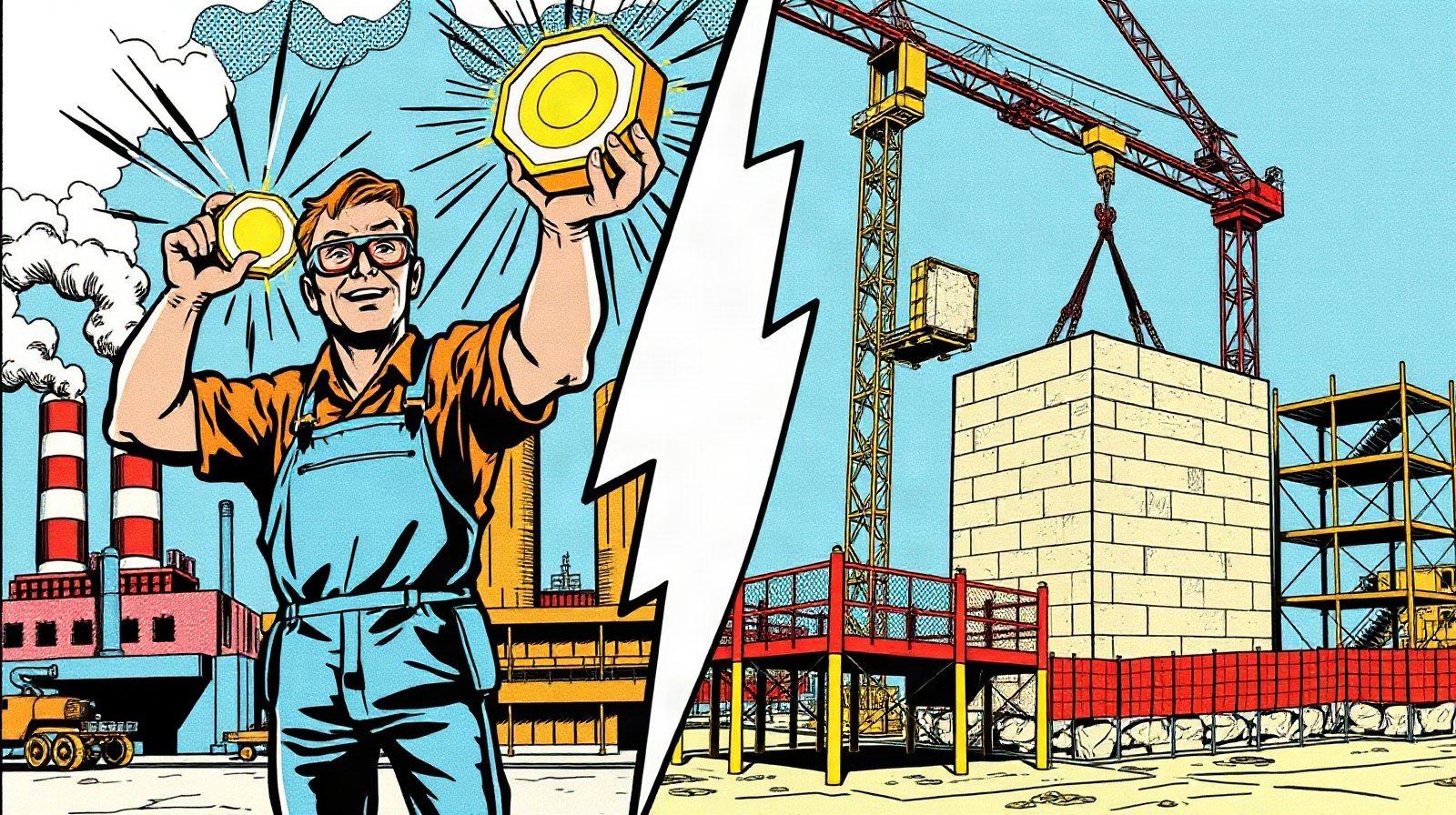
The site covers an area of 14,000 square meters, of which 6,000 are covered, and is specialized in the production of MEA (Membrane Electrode Assembly) technologies for electrolyzers and fuel cells. The facility has been operational since the first quarter of 2025.
UFI Hydrogen production: why it matters
The company plans a total investment of approximately 50 million euros by 2029, with the goal of reaching 100 employees. This project is distinct from the Rovereto Hydrogen Hub, whose cornerstone was laid on June 30, 2026.
The Rovereto infrastructure, which will cover nearly 30,000 square meters and be coordinated by the Bruno Kessler Foundation, will benefit from two IPCEI funding streams, support from the Ministry of Enterprises and Made in Italy, and the Autonomous Province of Trento, on an area provided by Trentino Sviluppo. Construction work is expected to take about a year and a half, while the Serravalle plant is already operational.
It is noted that a sub-supply chain for UFI Hydrogen can currently be activated, unlike the Rovereto hub, which remains under construction. The MEA technologies produced in Serravalle address a crucial technical aspect of the sector, recently corrected to resolve a defect found in green hydrogen.
The Bruno Kessler Foundation laboratories in Rovereto will only be accessible to external companies upon completion of works, expected in about a year and a half. The IPCEI program funding the Rovereto hub has mobilized over 10 billion euros across Europe since 2021, divided between the Hy2Tech and Hy2Use streams, with the participation of the Bruno Kessler Foundation as a research body.
What Changes and What Are the Effects
A similar model, based on public capital and laboratories open to SMEs, already supports an energy hub in Turin that requires 55 million euros. This accompanies companies in validating hydrogen and battery technologies, despite the market for hydrogen cars in Italy still being limited compared to the infrastructure under construction.
The introduction of the Digital Product Passport by the European Union will require documentation of component provenance throughout the entire supply chain, making the immediate initiation of relationships with suppliers a competitive advantage before it becomes a legal obligation.
Source and further reading on UFI Hydrogen production: original article.
* Content created with the assistance of artificial intelligence systems.