 Hardware Ready Ready to Bench?
FAHR-Face. A team at the Mass General Brigham Cancer Institute, led by radiation oncologist Ray Mak, has developed an artificial intelligence model capable of estimating the mortality risk of cancer patients based on a photograph of their face. The research, published in The Lancet Digital Health, explores the integration of clinical information and automated analysis of visible facial signals to support physicians in formulating prognoses.
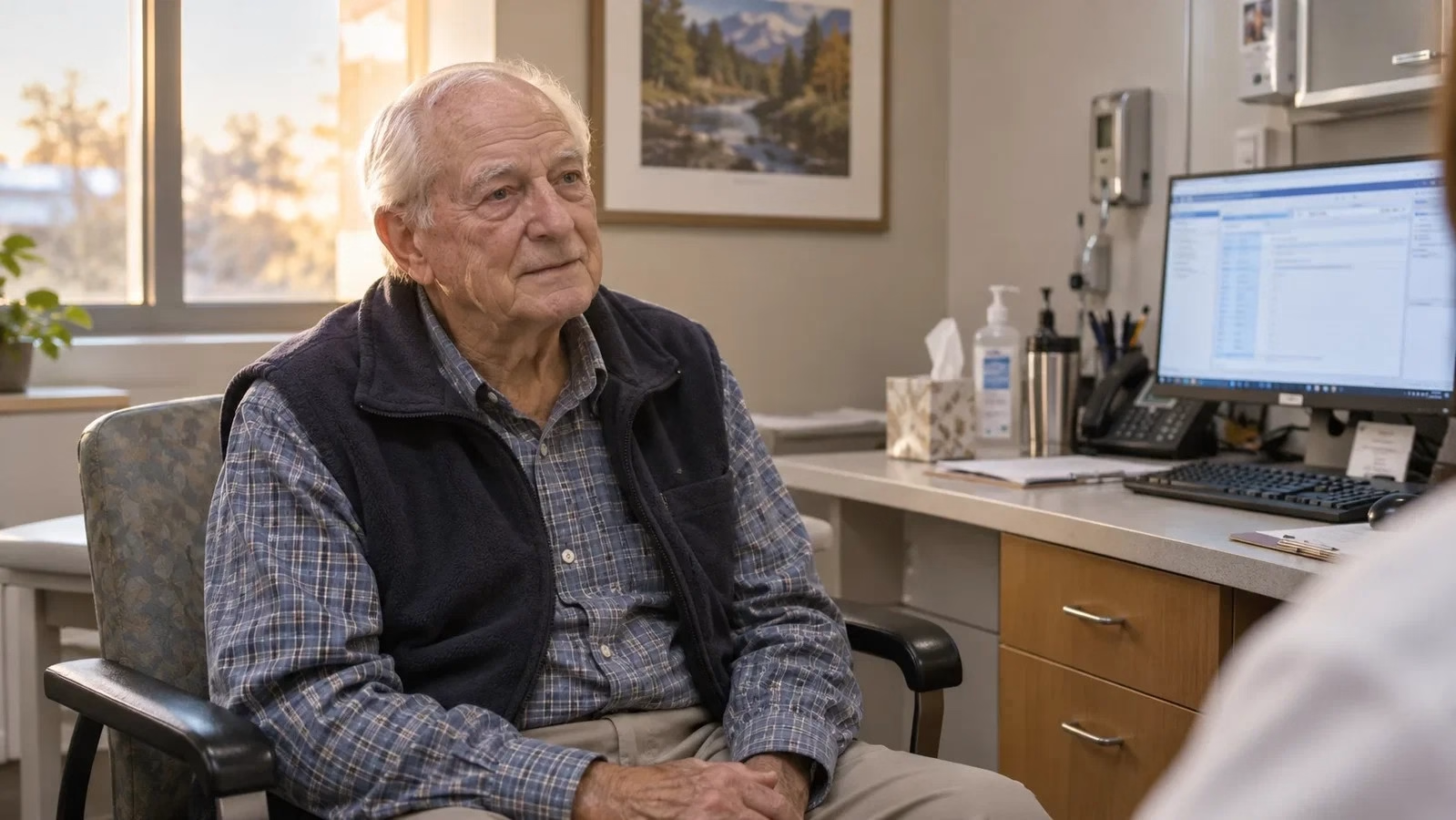
The system, named FAHR-Face, was initially trained on 40 million facial images without a specific predictive task. Subsequently, it was adapted to two objectives: estimating the subject’s biological age and predicting survival in patients with tumors. The results of these two processes were then evaluated individually and in combination.
FAHR-Face: why it matters
A validation on survival prediction involved 3,820 cancer patients. Among the 122 to whom the algorithm assigned the highest risk score, 64 died within 90 days of the photograph, or just over half. The study indicates that higher scores correspond to greater observed mortality.
A further evaluation concerned more than 38,000 cancer patients, highlighting how people judged by the model to be older than their chronological age had a higher risk of death. Mak reports that including both the facial age estimate and the survival score in a clinical prognostic model improved prediction compared to using only one of the two indicators.
The analysis of attention maps, used to understand how the algorithm works, revealed that in age estimation, wrinkles between the nose and mouth and some areas of the forehead emerge primarily. For survival prediction, attention focuses on the bridge of the nose and the areas under the eyes: associations identified by the model for which a biological mechanism has not yet been established.
In the facial age analysis, correlations were found with health-related habits, such as smoking and high alcohol consumption, which tend to make subjects appear older. Mak emphasizes that facial expression, makeup, and lighting conditions do not significantly influence the algorithm’s performance; rhinoplasty represents an exception, as after the procedure the system tends to attribute a slightly higher age.
What changes and what are the effects
The clinical objective is based on the established medical practice of observing the patient to assess their frailty and general condition. Mak describes this assessment as subjective and proposes facial analysis as an additional informational element in therapeutic decisions. Mass General Brigham has filed a patent application for algorithms dedicated to health through facial analysis.
The model is not yet ready for clinical use: it was trained on cancer patients from the Boston area, predominantly white, and the team is expanding data diversity for further verification. Bioethicist Matthew Liao of New York University, who was not involved in the study, highlights the consequences of misclassifications on care and raises the issue of possible use of these tools by insurers and employers.
Source and further reading on FAHR-Face: original article.
* Content created with the assistance of artificial intelligence systems.