 Hardware Ready Ready to Bench?
smart home offline. It is possible to make a smart home fully operational even in the absence of an internet connection. Currently, a growing number of devices connect to the home network, from light bulbs to robot vacuums, all the way to appliances such as refrigerators and even mattresses.
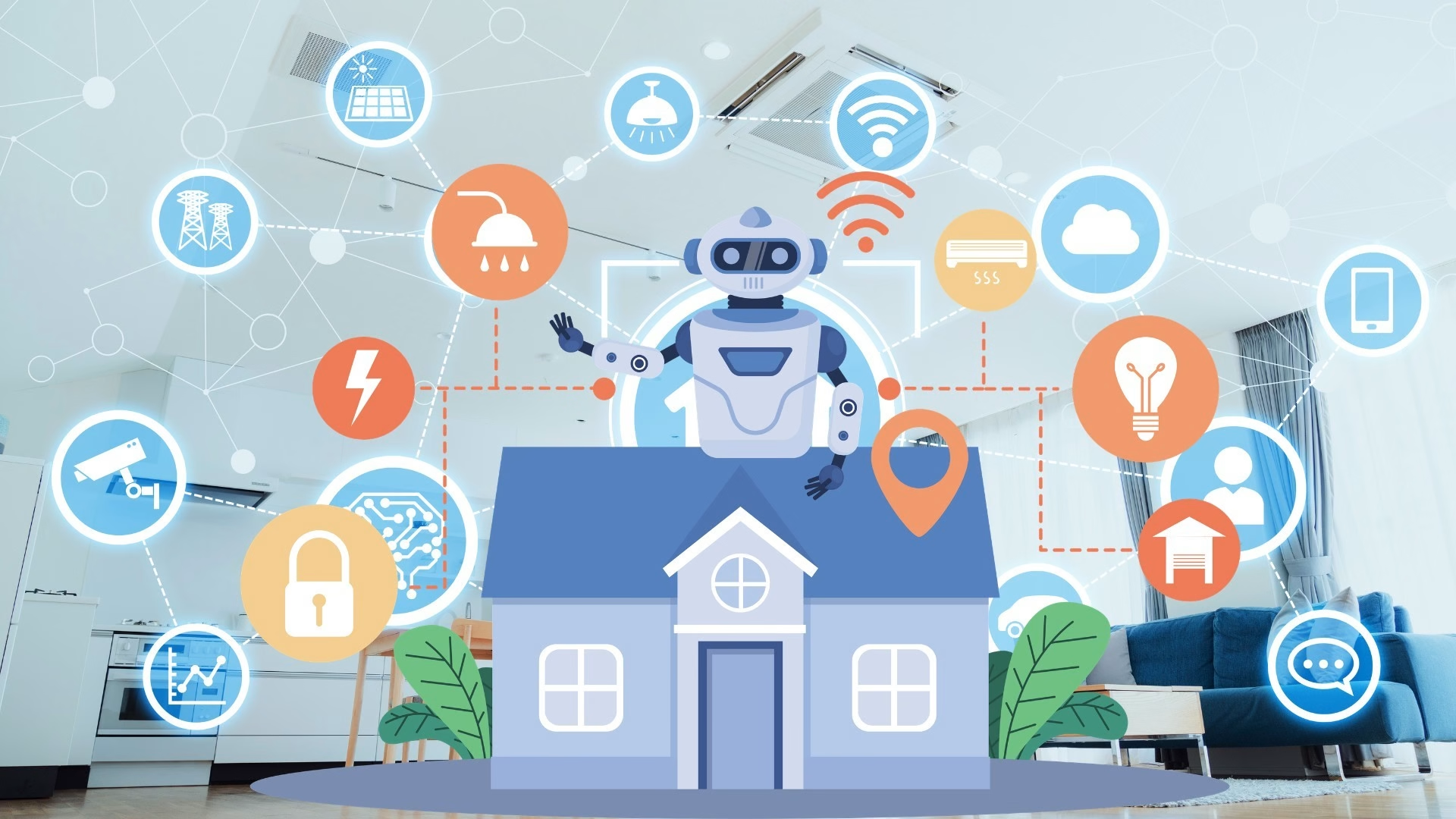
The weak point emerges when the internet connection suddenly drops: many of these devices stop responding to commands, making the smart home less functional. Fortunately, there is a solution to maintain control over home automation even without the internet.
smart home offline: why it matters
The answer relies on three fundamental elements: the use of local hubs, communication protocols such as Thread and Zigbee, and, additionally, a backup connection via 5G. By combining these elements, it is possible to keep the home system operational without relying entirely on the fixed line.
Many smart objects are designed to rely on the cloud. In practice, the command starts from the smartphone or voice assistant, makes a round trip through remote servers, and only then returns to the device that must execute it. As long as the connection holds, no one notices. However, when the network goes offline, that path is interrupted, and even a simple gesture like turning on a light or starting the vacuum cleaner can become impossible.
This is exactly where system architecture makes the difference. A home designed to work locally does not need to go through external networks for its components to communicate; they continue to talk to each other within the domestic walls even when the connection to the outside world is missing. For those who have invested heavily in home automation, this is far from a secondary detail, especially considering how many everyday-use devices are now involved.
The first piece of the puzzle is the local hub, a sort of central unit that coordinates various devices directly at home. Instead of entrusting every instruction to a distant server, the hub manages commands on-site. This way, the smart home offline remains responsive, and automations continue to function even when the router can no longer reach the internet.
What changes and what are the effects
Alongside the hub, protocols come into play. Thread and Zigbee are communication standards designed specifically to connect connected home objects without necessarily passing through the external network. Thanks to these common languages, light bulbs, sensors, and other devices can exchange information autonomously, keeping the entire system running even during a service interruption.
Choosing devices compatible with these protocols is therefore a key step for those who want a truly independent system. The last level of protection concerns the connection itself. A 5G backup works as a reserve line capable of taking over when the main one does not respond.
It does not replace the local work of hubs and protocols, but it adds an additional guarantee for functions that still require network access, such as remote control when away from home. With this combination, home automation remains under control even in moments when the internet decides to take a break.
Source and further reading on smart home offline: original article.
* Content created with the assistance of artificial intelligence systems.