 Hardware Ready Ready to Bench?
A federal judge in Mississippi denied SpaceXAI’s motion to dismiss the lawsuit filed by the NAACP, which alleges violations of the Clean Air Act. The dispute concerns the use of gas turbines to power the Colossus datacenters in the Memphis area, accused of being installed without the necessary environmental permits.
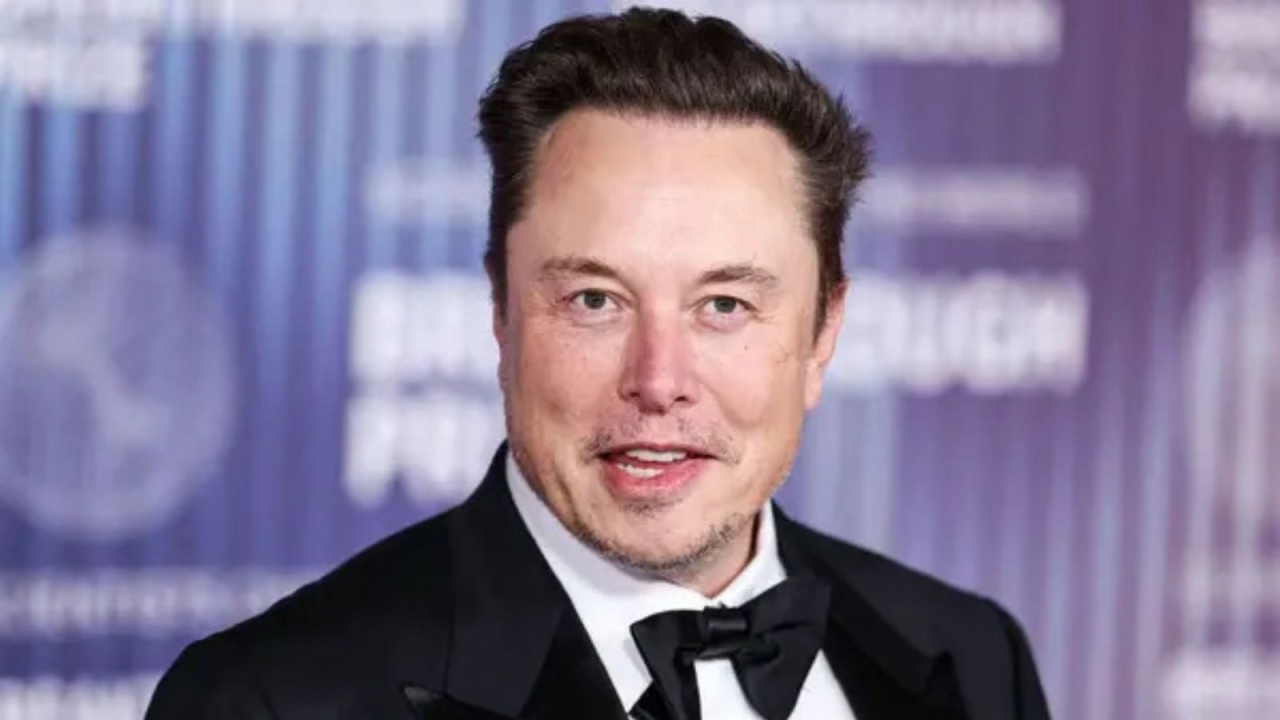
SpaceXAI must therefore face the lawsuit filed by the NAACP in court regarding alleged environmental regulatory violations linked to the use of gas turbines in its US datacenters. The judge denied the request from Elon Musk’s company to dismiss the proceedings.
SpaceXAI Colossus datacenter: why it matters
The issue specifically concerns the Colossus complex and a power plant that SpaceXAI is building in Southaven, Mississippi. The facilities have been the subject of protests by local communities concerned about the environmental and health consequences of the energy infrastructure used to power artificial intelligence systems.
The lawsuit was filed in April 2026 with the federal court for the Northern District of Mississippi. The initiative is promoted by the NAACP, with legal support from the Southern Environmental Law Center and Earthjustice, which challenge the installation and use of gas-fired combustion turbines without the permits required by the Clean Air Act.
According to the filings, between August and December 2025, xAI and its subsidiary MZX Tech allegedly installed and operated at least 27 gas turbines in Southaven without an emissions permit. The Southern Environmental Law Center argues that the Colossus site contains at least 35 turbines and other sources of air pollution, also lacking the necessary prior or operational permits.
The contested emissions include substances that contribute to smog formation and atmospheric particulate matter. NAACP lawyers assert that these pollutants can increase health risks for people in the vicinity, as well as cause unpleasant odors and other effects on air quality.
SpaceXAI had requested the dismissal of the proceedings, arguing that the turbines used were mobile devices and therefore not subject to the contested permitting obligations. The company also challenged the NAACP’s standing to bring a legal action under the Clean Air Act, going so far as to argue that such possibility was incompatible with the US Constitution.
What changes and what are the effects
The judge also rejected this challenge regarding the alleged unconstitutionality of actions brought by citizens. According to the ruling, those who resort to this legal tool act in their own name and to protect their own interests, seeking sanctions that compensate for the damages suffered.
The decision represents a further unfavorable step for SpaceXAI. The US Department of Justice had previously requested the termination of the proceedings, but the court had already denied such request. The NAACP considers the new decision a confirmation of its ability to proceed with its legal initiative.
In the meantime, it emerged that xAI is purchasing homes in the Colonial Hills neighborhood, near the Southaven power plant, offering owners to waive any legal claims related to the noise from the gas turbines used to power the datacenters.
Source and further reading on SpaceXAI Colossus datacenter: original article.
* Content created with the assistance of artificial intelligence systems.