 Hardware Ready Ready to Bench?
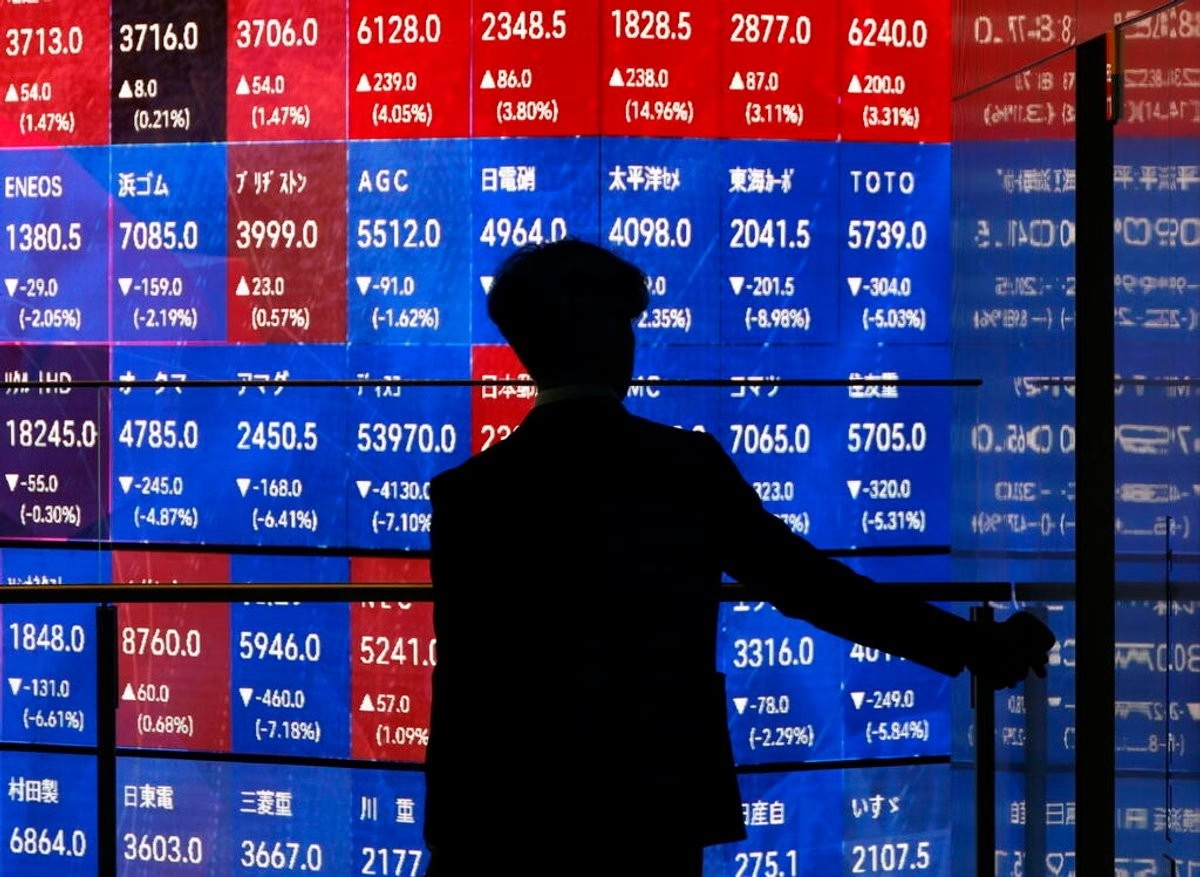
The Tokyo Stock Exchange began its trading session on October 19, 2026, in negative territory. The Nikkei index recorded a percentage change of -0.90 percent, positioning itself at 64,735.74 points. This opening corresponds to an absolute decline of 588 points compared to the previous session’s close. The macroeconomic context sees a strengthening yen: the dollar-yen exchange rate settled at 157.70, while the euro-yen reached 177.10.
Why it matters
The trend of the Japanese stock market is influenced by dynamics in the US markets. The Philadelphia Semiconductor Index (SOX) closed its eighth consecutive session in negative territory. This series of declines specifically concerns stocks linked to the semiconductor and artificial intelligence sectors in the United States. The correlation between American technology performance and the quotes of heavyweights on the Tokyo exchange is a structural factor for investors, as many Japanese companies operate as suppliers in the global supply chain or are exposed to the same sectoral demand.
In parallel, the yen’s currency movement impacts risk perception. A stronger exchange rate against the dollar and euro can modify the competitiveness of Japanese exports and affect the profit margins of the country’s multinational corporations. These elements add to the caution generated by the prolonged weakness of the US technology sector, creating a market environment that requires attention from institutional operators.
The numbers
Sources ANSA Economia and SoldiOnline agree on the main opening data. The percentage change is 0.90 percent in negative terms. The absolute value of the Nikkei index is 64,735.74 points. The decline in absolute terms is 588 points. On the currency front, the recorded data is 157.70 yen per dollar and 177.10 yen per euro. The Philadelphia Semiconductor Index completed eight consecutive sessions with a negative close.
What remains to be understood
It has not been confirmed whether the negative series of the eighth session for the Philadelphia Semiconductor Index will break in subsequent sessions. It also remains to be evaluated the specific impact of the yen’s strengthening on Japanese companies’ foreign exchange risk hedging strategies in international markets. The data provided by main sources are consistent regarding the opening of the October 19, 2026 session. Alternative readings present in archives, which report different values for the Nikkei index, do not correspond to the session under examination and were excluded from the analysis as they refer to different time contexts.
Sources: ANSA Economia, SoldiOnline.
This article is for informational purposes only and does not constitute financial advice or an investment recommendation.
* Content created with the assistance of artificial intelligence systems.